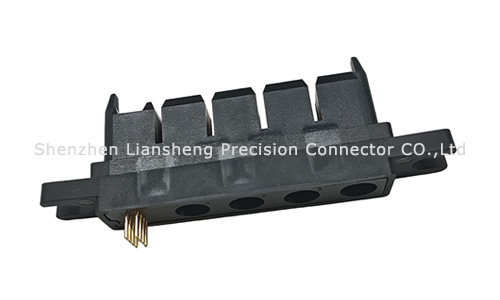
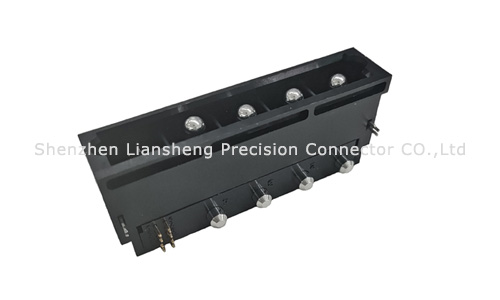
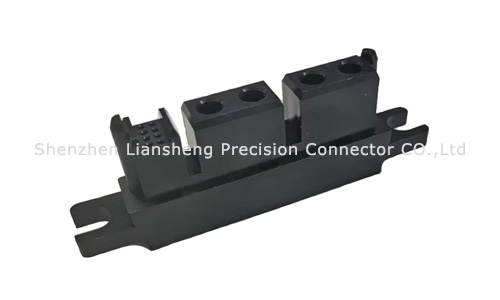
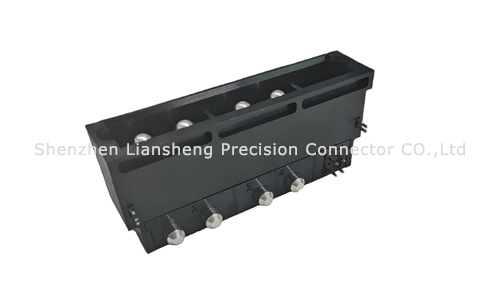
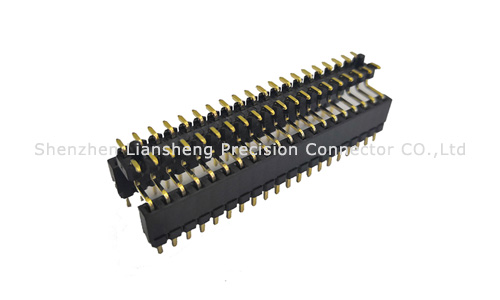
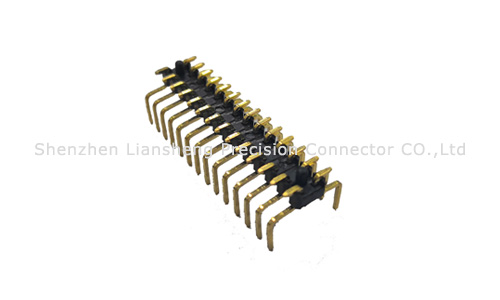
Pin and socket connectors are the most commonly used connector plug-ins in electronic industry products. However, during the processing, manufacturing, or use of pin and socket connector products, as well as during insertion and extraction, they are often affected by various factors, such as the pulling force of solder wires during processing and manufacturing, and thermal deformation forces during the T process. In addition, the insertion or vibration of pin and socket connector products during use can generate different force values, causing the contact terminals (conductors) to deviate from their working positions, leading to product connection malfunctions.
Key points of connector products:
1. The target is the entire pin and socket connector product, especially the plug contacts.
2. The axis of action refers to the normal usage direction of pin and socket connector products, such as the correct and incorrect directions for terminal assembly.
3. Unless a special pin and socket connector product needs to be specified, the general speed is 25.4mm/minute.
4. In the destructive process, the minimum value required by the specification is generally (4.9N Min.).
The definition of terminal retention force for connector products is to ensure that the terminals (conductors) are fixed in the plastic. During the manufacturing process of the terminals assembled in the plastic, such as soldering or product handling, there is a tensile force T, such as during the male-female mating process.
The vibration and impact experienced by pin and socket connectors during processing and manufacturing can be influenced by external forces. Therefore, the retention of terminals and plastic must be sufficient; otherwise, the terminals may be affected by external factors, leading to connection interruptions or functional failures.




 WeChat Scan
 WeChat Scan